35% off on product page · save $5.92
AI Ad Copy Basics: Brief, Review, and Test Better Ads
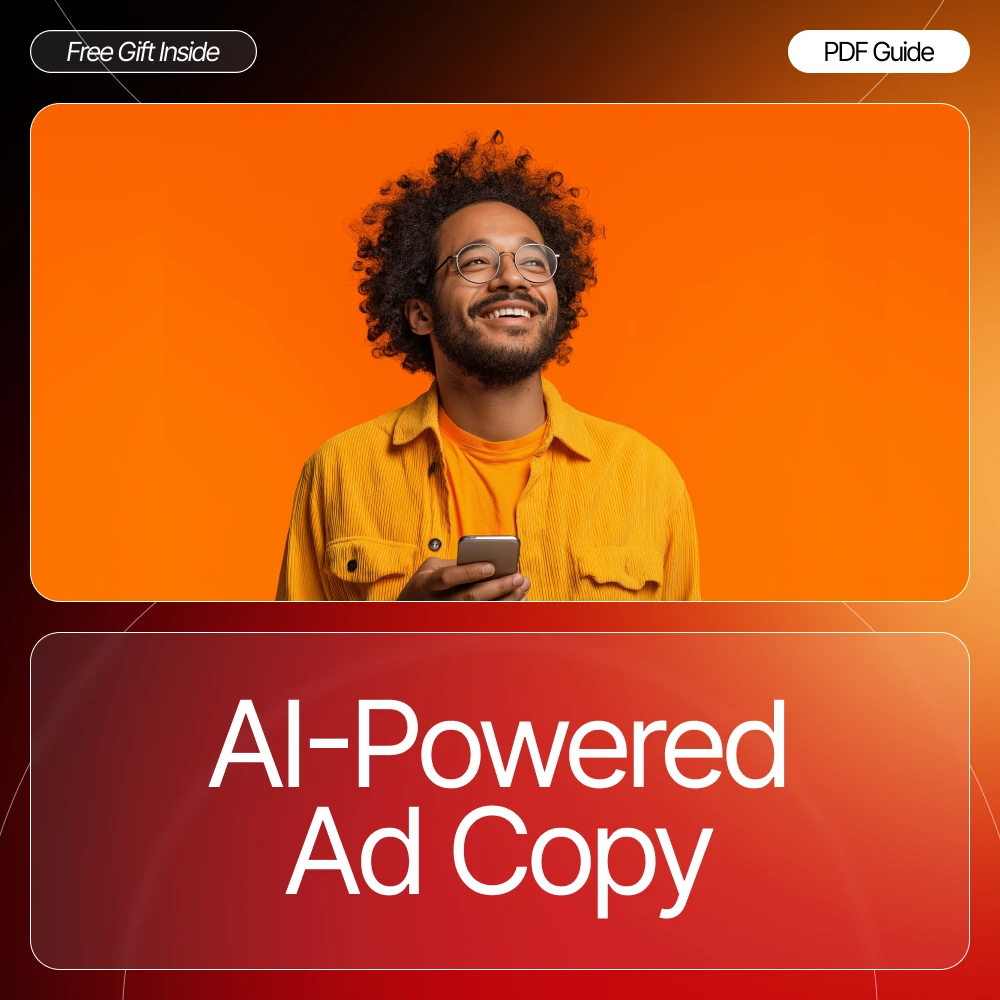
Before you ask AI to write an ad, decide what you offer, who it is for, and what you want the reader to do next. We recommend choosing one primary message per ad. If you have several benefits to explore, give each a separate draft rather than crowding them into a few lines.
Set aside facts you can verify, such as what the product includes and where the click leads. Keep hoped-for results separate. Our AI-Powered Ad Copy eBook is a resource on ad-copy basics using AI for small businesses and creators; it is not a promise that any particular ad will convert.
Check the product’s listed specifications when evaluating start with one clear offer.
Tell AI the audience, offer, verified benefits, placement, length limit, tone, and desired next step. Ask for genuinely different approaches—perhaps a practical benefit, a familiar problem, and a plain statement of the offer.
Treat every response as a draft. Our team would remove invented features, unsupported outcomes, and language we would not use with a customer. If two options differ only by a few synonyms, ask for a new angle instead.
Featured in this guide
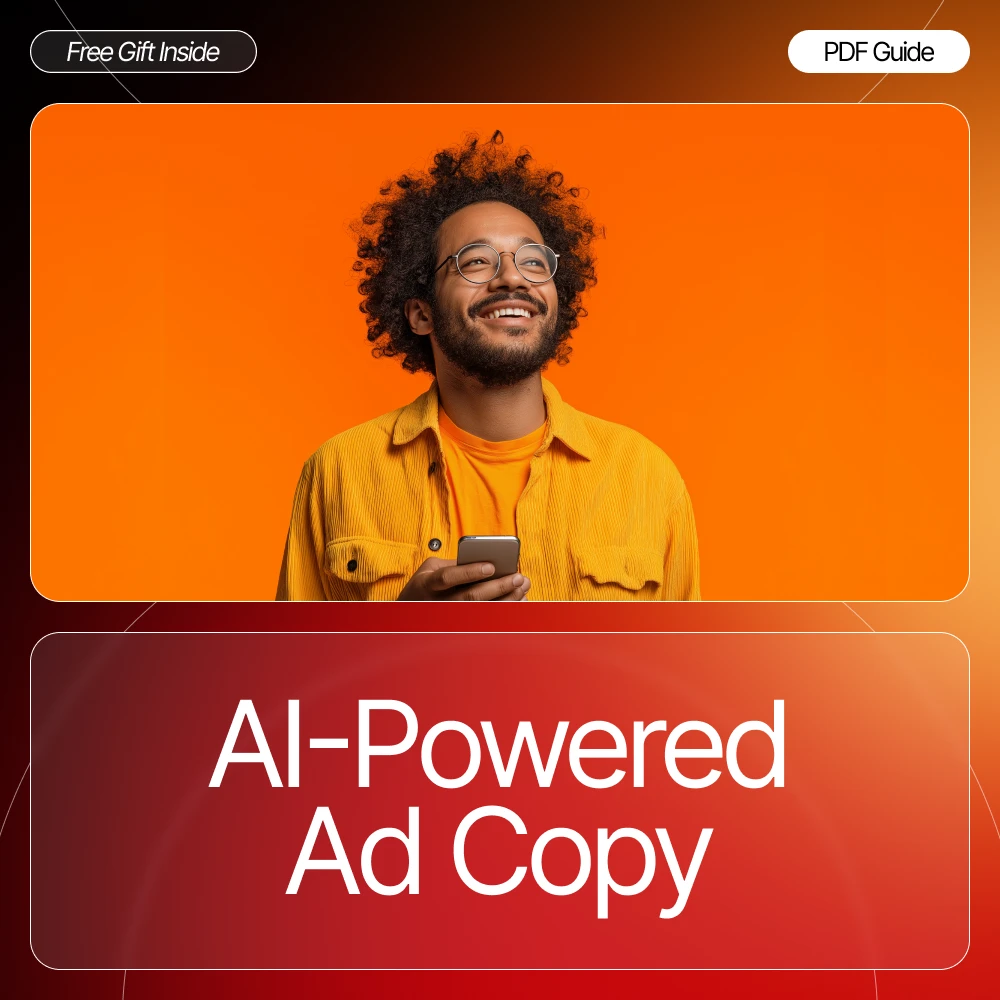
AI-Powered Ad Copy | Ad Copy Basics Using AI | Digital Marketing Guide for High-Converting Ads | Etsy-Style eBook for Small Businesses & Creators
Read the opening by itself: would someone new to your business understand the offer? Replace broad benefits with concrete tasks where you can. Then choose a call to action that matches the destination. “View the guide” tells you more about the next click than a vague promise of better results.
Before publishing, compare the finished ad with the destination page and review any platform requirements. AI can help us draft, but our team remains responsible for the accuracy of the final message.
Start with two versions that differ in one meaningful way. You might keep the same offer, image, audience, and destination while changing the opening line. That makes the result easier to interpret than a test in which everything changes at once.
Choose a measure that matches your goal. Clicks can indicate interest in the message, but they do not tell you whether people purchased or signed up. If a later action matters, look at that action too, provided you can measure it reliably.
Do not call a version the winner after only a handful of impressions. Give the comparison enough time to gather useful information within your budget, and note any conditions that changed while it ran. Record the two versions, the difference between them, the result, and what you will try next. Even a modest test is more useful when it leads to a specific next draft.
Compare related options such as Digital Product Ideas That Sell on Etsy Fast – Ultimate Checklist for Etsy Sellers, Proven Digital Product Ideas That Sell on Etsy, Step-by-Step Guide to Boost Etsy Sales to match features, dimensions, and use case before choosing.
Before choosing, compare the product details with your daily routine, available space, care needs, and preferred setup. The strongest option is usually the one that fits the intended use clearly and remains simple to clean, store, and check before repeat use.
It is also worth checking measurements, material notes, included parts, and compatibility details so the item matches the way it will be used after delivery.
Before choosing, compare the product details with your daily routine, available space, care needs, and preferred setup. The strongest option is usually the one that fits the intended use clearly and remains simple to clean, store, and check before repeat use.
AI-powered ads use AI to help draft or adapt ad content. You remain responsible for the final message, targeting choices, and accuracy.
There is no single price: costs may include an AI tool, creative work, and the budget paid to an ad platform. Start with a budget you can afford and evaluate results before spending more.
Using AI to draft an ad is not inherently illegal. The finished ad must still follow applicable advertising laws and platform rules, including requirements for truthful, supportable claims.




Leave a comment