44% off on product page · save $42.98
Why Does Montessori Use Wooden Toys? A Parent’s Guide

Montessori often uses wooden toys because wood offers a natural texture, a noticeable weight, and a simple appearance that can invite a child to explore an object directly. Rather than relying on lights or electronic sounds, many wooden materials let you and your child focus on actions such as stacking, sorting, counting, and fitting pieces together.
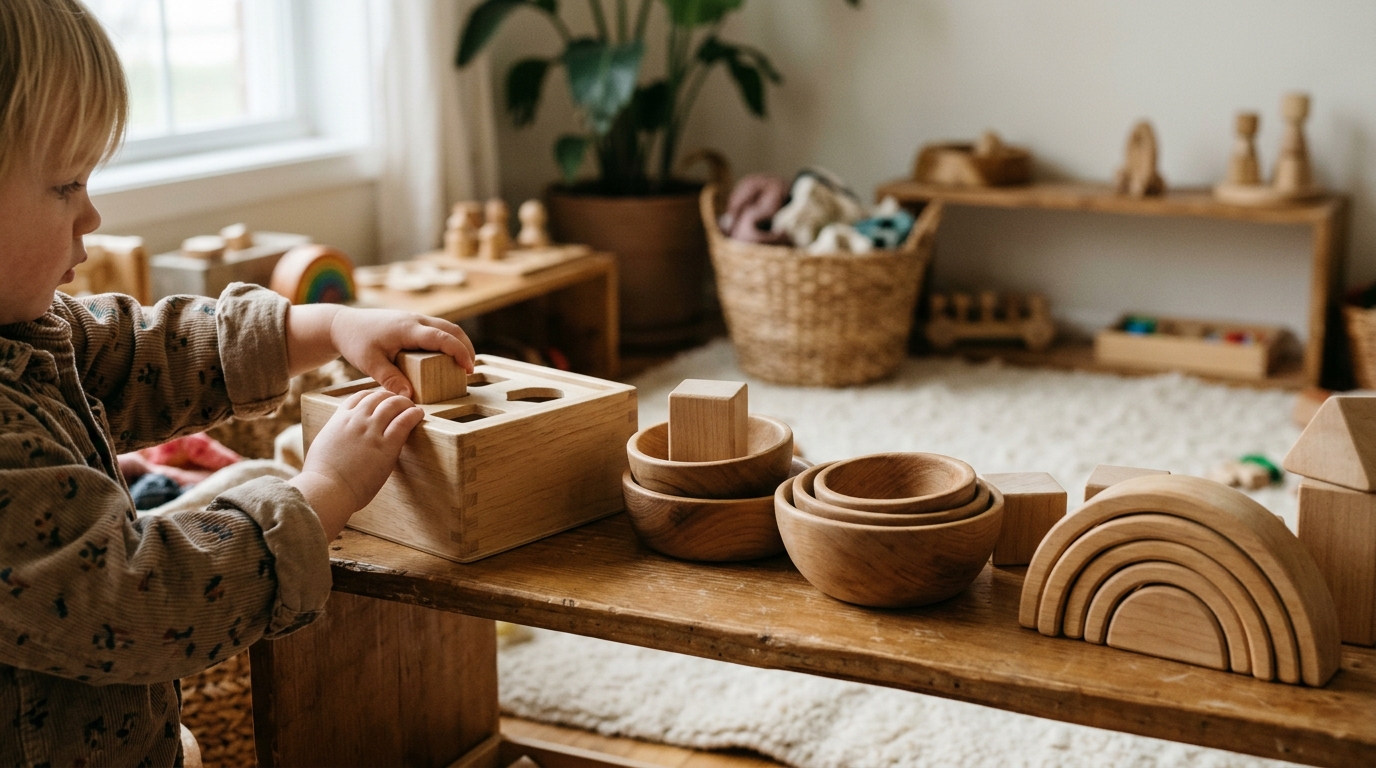
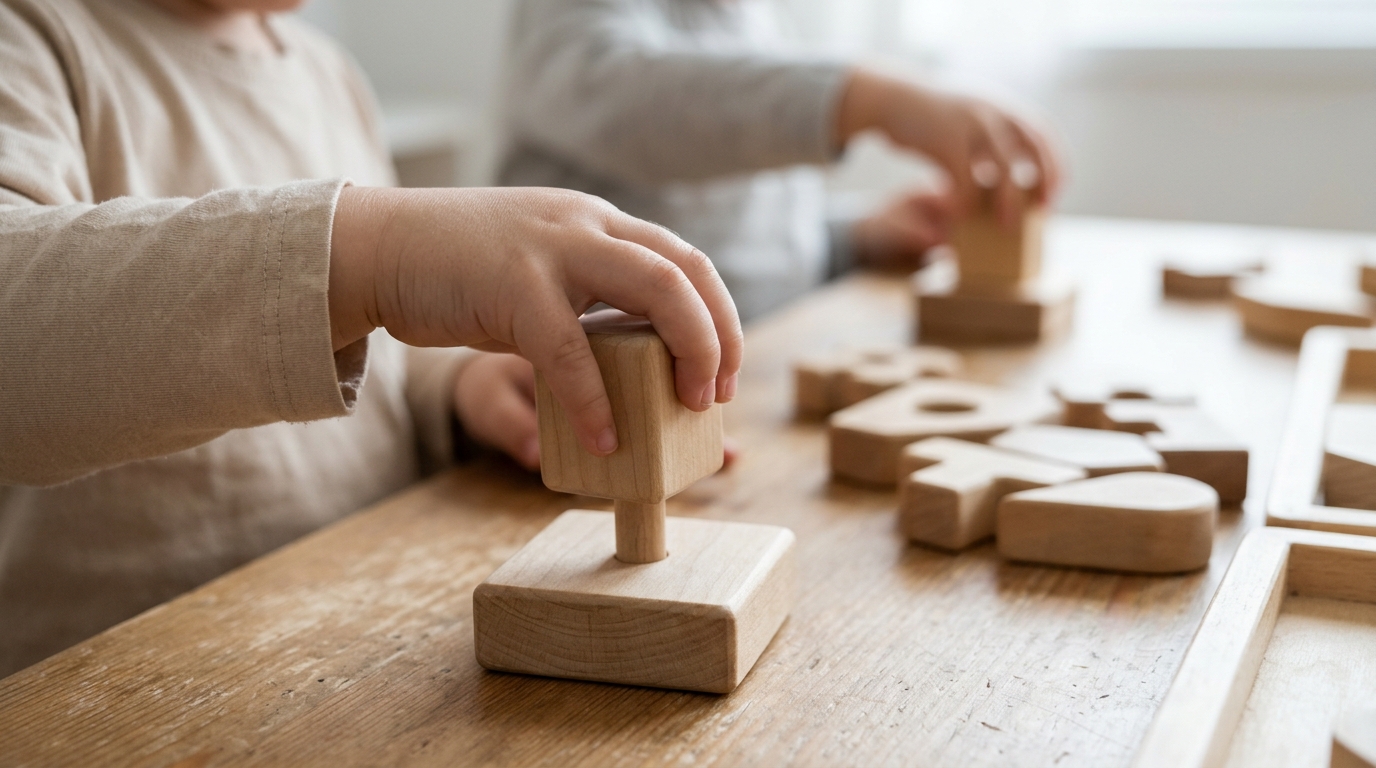
When your child moves a piece, feels its edges, or places it in a particular spot, they can connect what they see with what their hands are doing. Simple materials also leave room for repetition: you can offer a counting activity, then let your child try it again at their own pace instead of directing every move.
Check the product’s listed specifications when evaluating how wooden toys support hands-on learning.
Featured in this guide
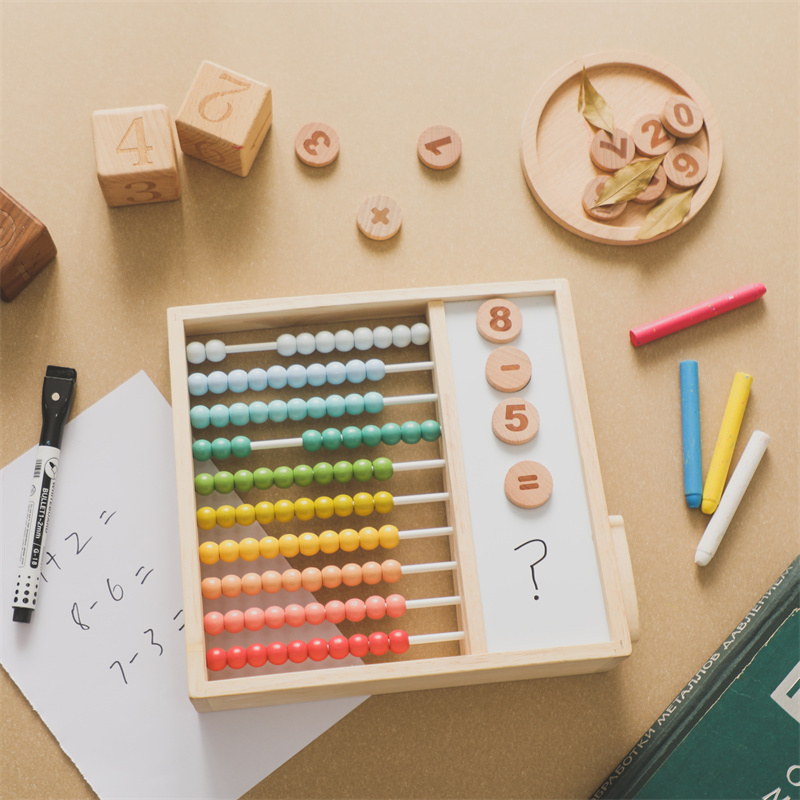
Kids Montessori Wooden Magnetic Math Counting Toy for Early Learning
Look for an activity that suits your child’s current interests and abilities, with pieces they can handle comfortably and safely; for young children who still mouth objects, avoid small parts and accessible magnets. Our Kids Montessori Wooden Magnetic Math Counting Toy for Early Learning is one option to consider for counting activities, and you can find ideas in our guide to wooden magnetic math toy counting ideas.
Check the product’s listed specifications when evaluating choosing a toy for your child.
Keep wooden toys clean by wiping them with a lightly damp cloth and drying them promptly, and avoid soaking them unless the manufacturer specifically recommends it. Inspect pieces regularly for splinters, cracks, loose parts, or exposed magnets, and remove a damaged toy from play; if a child swallows a magnet or you suspect they have, seek emergency medical care immediately.
No, Montessori materials can be made from other materials, including metal, glass, and fabric, when those materials suit the activity and the child. What matters more is whether the object is purposeful, accessible, and appropriate for your child’s stage of development.
One common criticism is that Montessori can be expensive or difficult to access, especially when families are considering a school rather than activities at home. Programs also vary in how they interpret the approach, so you may want to observe a classroom and ask how its routines fit your child’s needs.




Leave a comment