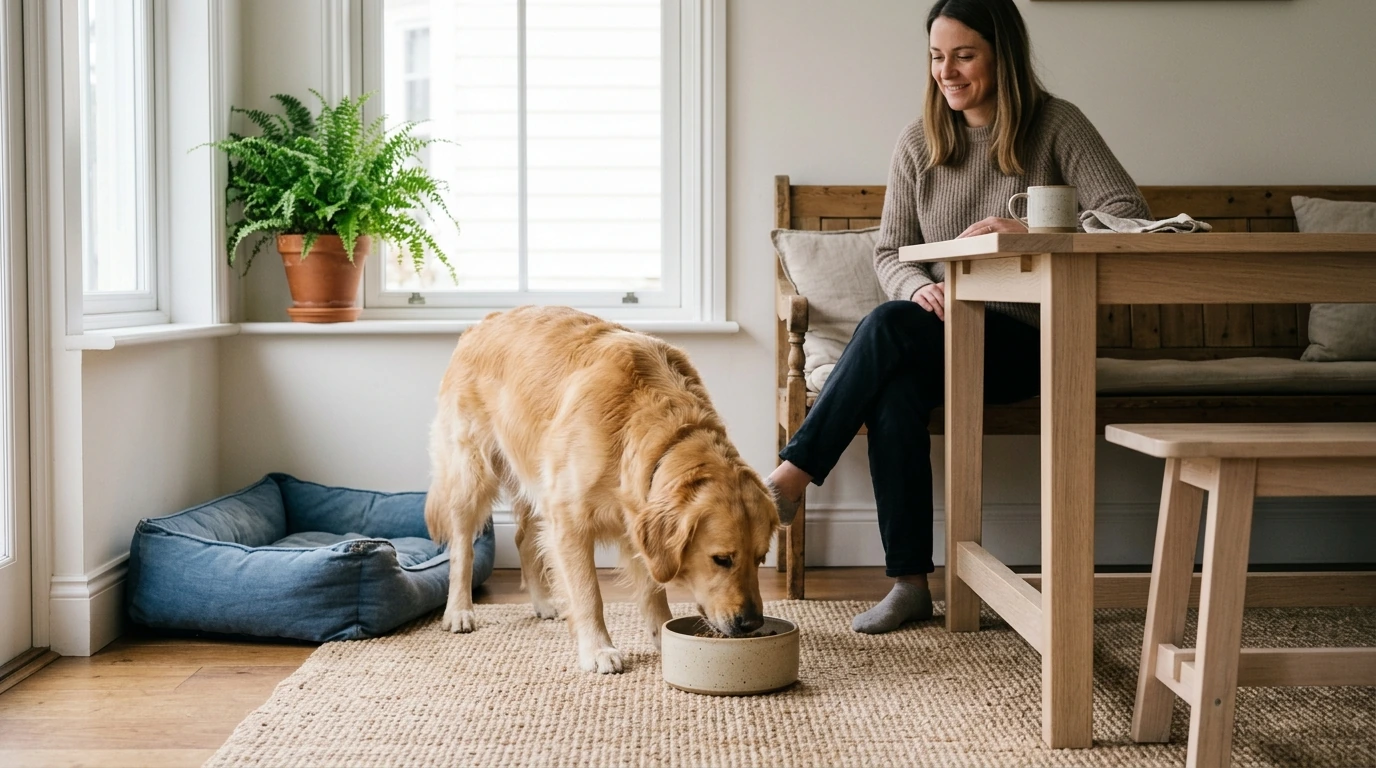
Why Raised Dog Bowls May Not Be Right for Every Dog
59% off on product page · save $62.98
Why Raised Dog Bowls May Not Be Right for Every Dog
Why raised bowls can be a concern
A raised bowl may not be the best choice for every dog because elevated feeding has been associated with a higher risk of bloat and gastric dilatation-volvulus (GDV), particularly in large, deep-chested breeds. GDV is a life-threatening emergency in which the stomach fills with gas and can twist, so we recommend discussing your dog’s individual risk with your veterinarian before choosing an elevated feeder.
That association does not mean a raised bowl will cause GDV in every dog, and lowering a bowl does not eliminate the risk. Your dog’s breed, body shape, age, and medical history all matter when deciding how to serve meals, as we explain in our guide to raised dog bowls.
Check the product’s listed specifications when evaluating why raised bowls can be a concern.
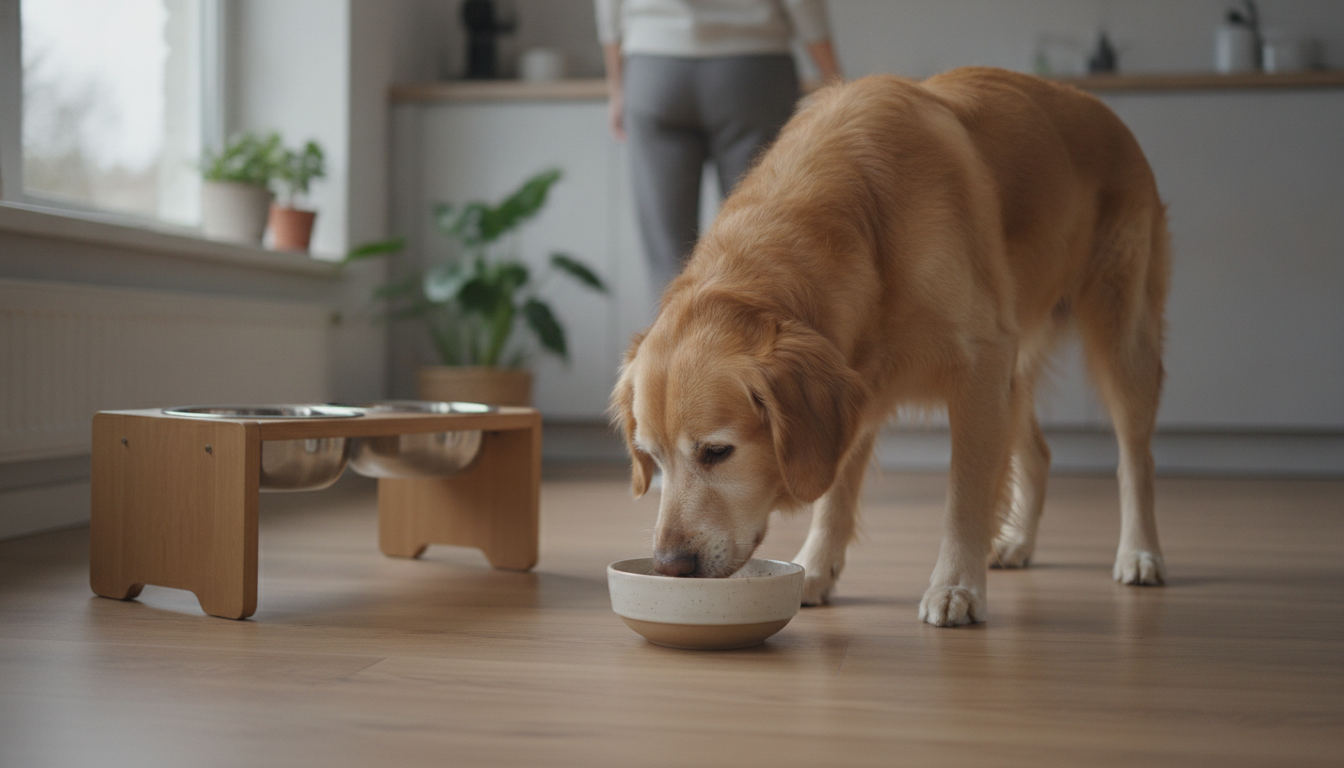
When a raised bowl may be useful
Some dogs have trouble bending down because of arthritis, neck pain, mobility problems, or another medical condition, and a veterinarian may suggest adjusting the bowl height to make eating more comfortable. Dogs with certain swallowing or esophageal conditions may also need a specific feeding position, but those instructions should come from their veterinary team rather than a general rule about raised bowls.
If your dog eats comfortably from a stable bowl on the floor and has no condition requiring a different setup, there may be no reason to raise it. For a dog that struggles to reach food, ask your veterinarian what height and feeding position are appropriate before making a change, and watch for signs of discomfort during meals.
Check the product’s listed specifications when evaluating when a raised bowl may be useful.
Featured in this guide
Ceramic Elevated Pet Bowl with Cute Cartoon Design
Know the warning signs of bloat
Seek emergency veterinary care immediately if your dog has a swollen or tight abdomen, repeatedly tries to vomit without bringing anything up, or shows sudden restlessness, pain, or weakness. Do not wait to see whether the symptoms pass, because GDV can progress quickly and requires urgent treatment.
If your dog has risk factors for GDV, ask your veterinarian about an appropriate feeding routine and whether preventive surgery is worth discussing. Keep your emergency veterinarian’s contact information handy so you can act quickly if concerning symptoms appear.
The Cozy Puppy and Kitten Bed – Fluffy Pet Cushion for Dogs & Cats provides a defined sleep surface during family stops and overnight travel, pairing with the featured product during everyday use.
FAQ
What are three things you should never feed your dog?
Keep chocolate, grapes and raisins, and foods containing xylitol away from your dog because they can be toxic. If your dog eats any of them, contact your veterinarian or an animal poison control service promptly for guidance.
See if Ceramic Elevated Pet Bowl with Cute Cartoon Design fits your setup
Recommended for you





Leave a comment