Facial Ice Therapy Device: Benefits and Safe Use
59% off on product page · save $8.48
Facial Ice Therapy Device: Benefits and Safe Use

What facial cooling can do
Cold can temporarily constrict blood vessels and lessen the appearance of puffiness. You may also enjoy the fresh, cool sensation on your skin. The effect varies from person to person and generally fades as the skin warms up again.
Facial icing does not permanently tighten skin, erase wrinkles, or replace a skincare routine. It is not a substitute for medical care, either. If swelling keeps returning or you have a skin concern that does not improve, talk with a healthcare professional rather than relying on cooling alone.
The Cleveland Clinic’s guidance on ice facials offers more context on potential benefits and precautions. The takeaway is simple: a little cooling can be refreshing, but excessive cold can be harmful.
Check the product’s listed specifications when evaluating what facial cooling can do.

Is this device right for your routine?
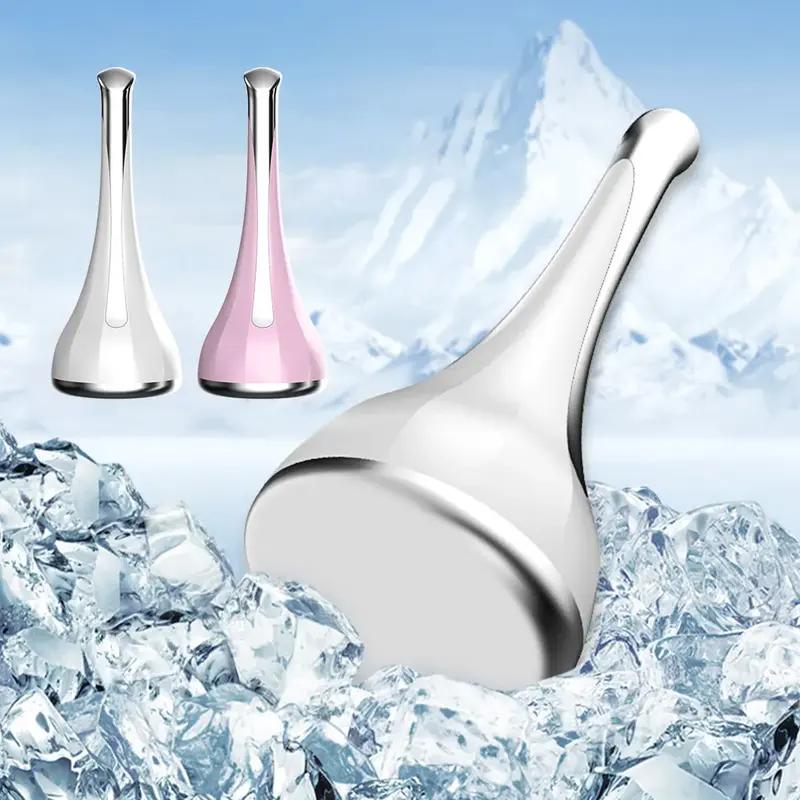
Our Facial Ice Therapy Device is an option if you enjoy a cooling step and your skin tolerates cold. Keep expectations modest: a refreshing sensation does not mean that cooling treats the cause of swelling.
Read the product directions before preparing it, and start gently. You do not need a lengthy ritual to make cooling part of your routine.
Check the product’s listed specifications when evaluating is this device right for your routine.
Featured in this guide
Facial Ice Therapy Device
How to use it gently
- Cleanse your skin and prepare the device according to its instructions.
- Use brief, gentle contact, moving the cooling surface rather than holding it in one place. Do not apply bare ice directly to your skin.
- Stop if your skin becomes painful, numb, or unusually irritated.
- Apply a gentle moisturizer if you like, and continue with your usual sun protection during the day.
There is no universal schedule for facial cooling. Follow the product directions and give your skin a break if it feels uncomfortable afterward.
When to take extra care
Too much cold can irritate skin or cause a cold injury, especially when a very cold surface stays in one area. Avoid cooling broken or already irritated skin.
If you have very sensitive skin, rosacea, or a tendency to react to cold, ask a dermatologist before trying facial icing. For persistent or recurring swelling, speak with a healthcare professional rather than relying on cooling alone.
Check the product’s listed specifications when evaluating when to take extra care.
When to be cautious
Too much cold can irritate skin or cause a cold injury, particularly when a very cold surface stays in contact with one area for too long. Avoid using cold on broken or already irritated skin, and stop if you notice an uncomfortable reaction.
If your skin is very sensitive, you have rosacea, or you are prone to reactions to cold, check with a dermatologist before trying facial icing. They can help you decide whether cooling is appropriate for your skin and suggest alternatives if it is not.
Do not treat persistent swelling with icing alone. A healthcare professional can help identify the cause and recommend appropriate care.
Make cooling a small part of skincare
Our team sees cooling as an optional extra, not the foundation of a routine. Gentle cleansing, moisturizing, and daytime sun protection are practical basics to prioritize. The American Academy of Dermatology’s skincare guidance explains how a simple routine can support healthy skin.

Watch · product page video
“This device is a lifesaver! My skin feels so refreshed and rejuvenated after use. Highly recommend!”
Lunarina product page · Product review
Compare related options such as Carb Power Play | Smart Carb Cycling Guide for Fitness, Muscle Gain, Fat Loss & Workout Nutrition Digital Download to match features, dimensions, and use case before choosing.
Before choosing, compare the product details with your daily routine, available space, care needs, and preferred setup. The strongest option is usually the one that fits the intended use clearly and remains simple to clean, store, and check before repeat use.
FAQ
Do dermatologists recommend icing your face?
Recommendations depend on your skin and how you use cold. A dermatologist can advise you if you have sensitive skin, rosacea, or reactions to cold.
Is ice therapy good for your face?
Gentle cooling can feel refreshing and may temporarily lessen the appearance of puffiness. It is optional and may irritate skin that is sensitive to cold.
See if Facial Ice Therapy Device fits your setup








Leave a comment