61% off on product page · save $29.15
Are Ceramic Bowls Safe to Boil? Heat and Safety Tips
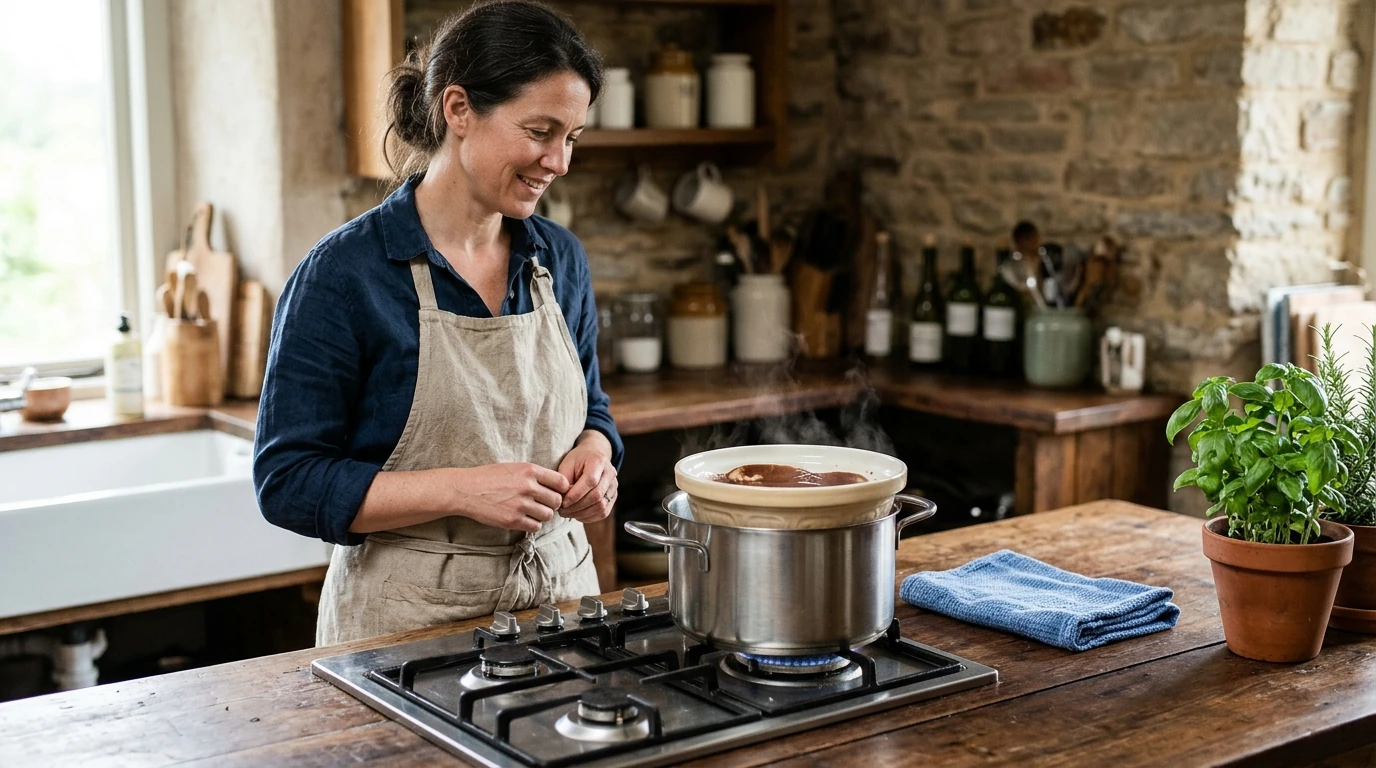
Some ceramic bowls can tolerate boiling water, but you should not assume that every bowl is safe to boil or place over direct heat. Ordinary serving bowls are often designed for food and liquids rather than stovetop cooking, so putting one on a burner or in a pot of boiling water can cause cracking or breakage.
The key distinction is between pouring boiling water into a suitable bowl and heating the bowl itself on the stove: these expose the ceramic to different stresses. Use a ceramic vessel for stovetop boiling only when its manufacturer specifically identifies it as safe for that purpose, and follow any stated heating instructions.
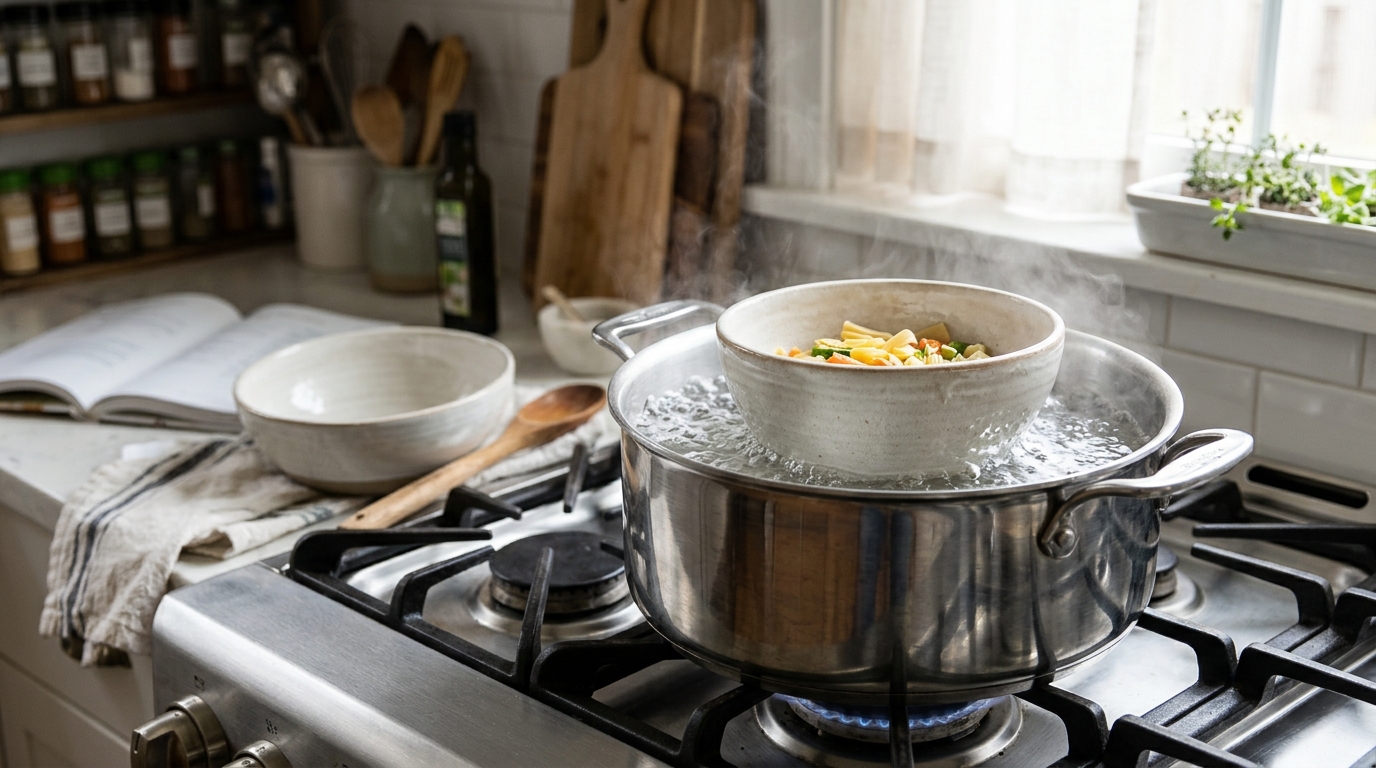
Before adding very hot liquid, let a cold bowl come to room temperature and, when appropriate, warm it gradually with warm water. Avoid moving a bowl straight from the refrigerator or freezer into boiling water, and do not set a hot bowl on a cold, wet surface, since sudden temperature changes can cause thermal shock.
Inspect the bowl for cracks or chips before use, because existing damage can weaken it when it is heated. Pour slowly and keep your hands protected if the bowl becomes hot; a handle may also heat up, so do not assume it will stay cool.
Featured in this guide
Ceramic Noodle and Soup Bowl with Handle
For soup or noodles, choose a bowl intended for serving hot food and use it within the manufacturer’s directions. Our guide to the Ceramic Noodle and Soup Bowl with Handle can help you consider a bowl for these meals, but a handle alone does not establish that a bowl is safe for boiling or direct heat.
If you need to cook food on the stovetop, a pot made for that purpose is generally a clearer choice than an ordinary ceramic serving bowl. Transfer the cooked food carefully into a suitable bowl, allowing for gradual warming and enough room to avoid spills.
Heat resistance and food safety are separate considerations: a bowl that tolerates hot liquid is not automatically free of lead in its glaze or decoration. Be especially cautious with older, handmade, imported, or decorative ceramics when their food-safe status is unknown, particularly for hot or acidic foods.
Our team recommends looking for clear food-use information from the manufacturer and avoiding pieces labeled for decoration only. If you suspect a bowl contains lead, stop using it for food and consider a laboratory test designed for ceramicware rather than relying on appearance alone.
Watch · product page video
“Absolutely love this bowl. The handle is perfect for those hot soups, and it’s so easy to clean!”
Lunarina product page · Product review
They can crack, especially if they are cold, damaged, or not designed to withstand rapid heating. Warm a suitable bowl gradually and avoid sudden temperature changes, but do not place it in boiling water unless its manufacturer permits that use.
You cannot reliably tell by looking, and the age, origin, or decoration of a piece alone cannot confirm whether it contains lead. Check the manufacturer’s food-safety information or arrange appropriate laboratory testing, and avoid using the piece for food if you have reason to suspect lead.



Leave a comment