
Do You Pay Sales Tax When Selling a Car Privately?
15% off on product page · save $1.94
Do You Pay Sales Tax When Selling a Car Privately?
Who Pays Sales Tax in a Private Car Sale?
In most states that impose sales tax on private vehicle sales, the buyer pays the tax when registering the car or transferring the title, rather than paying it to the seller. As the seller, you generally do not collect or remit that tax, but state rules vary and some states provide exemptions or handle private sales differently.

What Should You Do as the Seller?
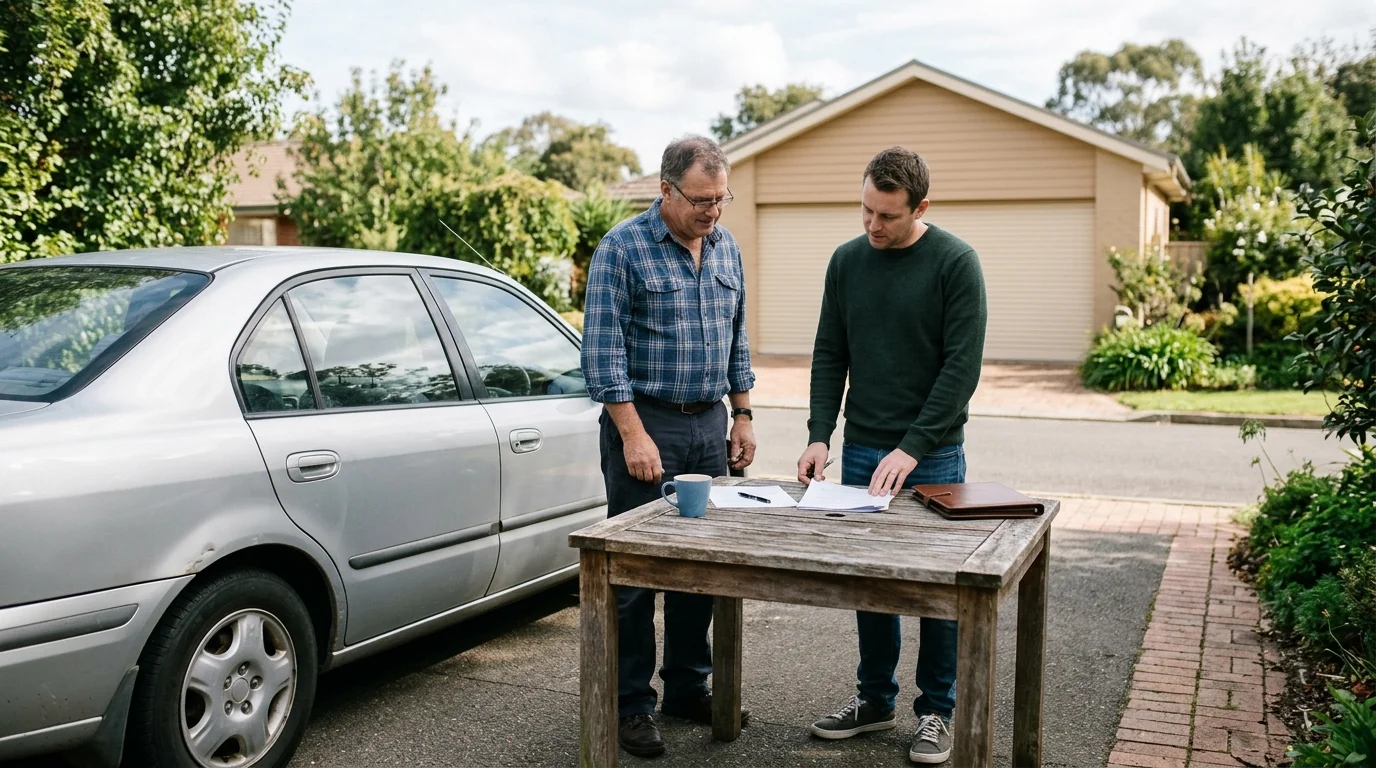
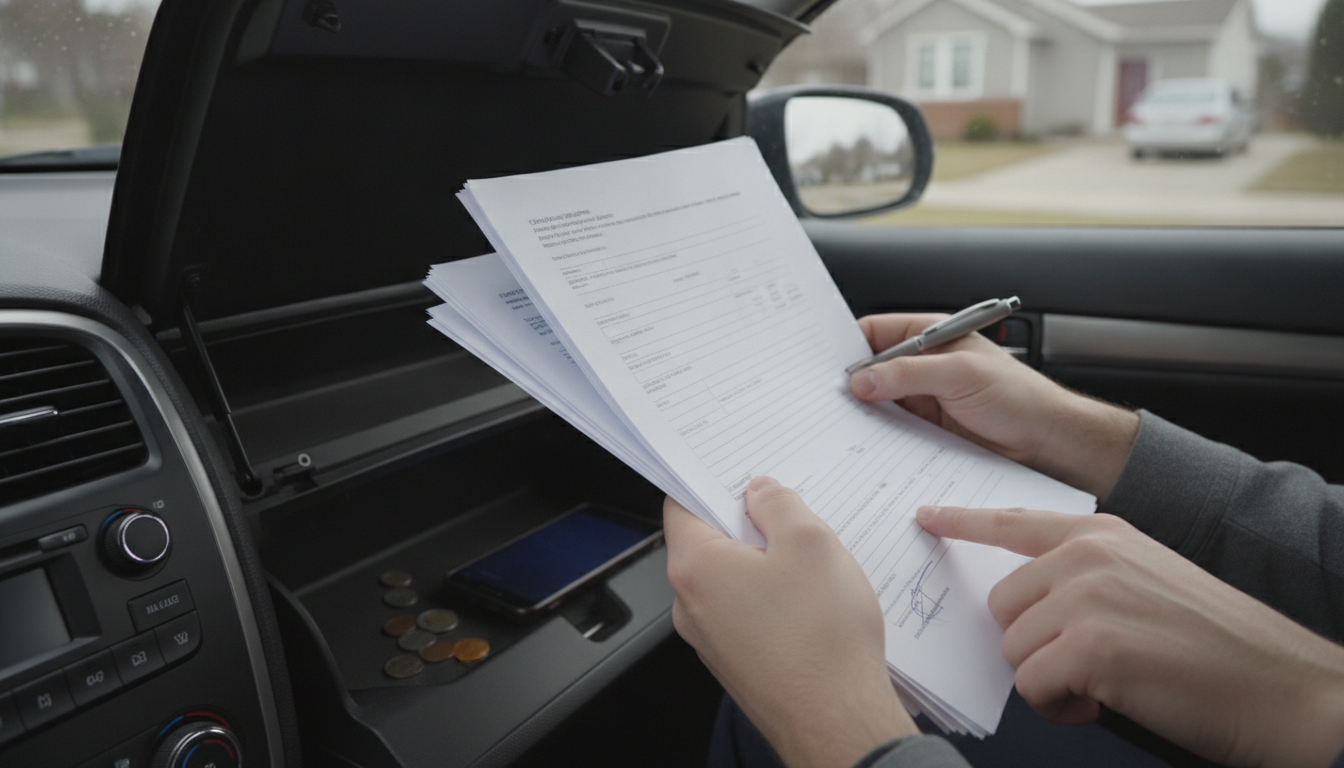
Provide an accurate bill of sale and complete the title transfer as required in your state, recording the actual sale price, sale date, and information about both parties. Keep copies of the paperwork and submit any required notice of sale or release of liability to your state’s motor vehicle agency so the transaction is properly documented.
Check the product’s listed specifications when evaluating what should you do as the seller.
Featured in this guide
Selling a Car You Still Owe On: A Step-by-Step Guide to Successfully Selling a Financed Car
Could You Owe Income Tax Instead?
Sales tax and income tax are separate: if you sell a personal car for more than your adjusted tax basis, the profit may be taxable even though the buyer is generally responsible for sales tax. Your basis usually starts with what you paid for the car, with certain adjustments, and a loss on the sale of a personal-use vehicle generally is not deductible for federal income tax purposes.
What If You Still Owe Money on the Car?
An outstanding loan does not usually change who is responsible for sales tax, but you will need to arrange for the loan to be paid off and the lien released so the title can transfer. We cover the process in our step-by-step guide to selling a car you still owe on, including the considerations involved in a financed-car sale.
FAQ
Do I have to pay taxes on a car I sell privately?
You generally do not pay sales tax as the seller, although the buyer may owe it when registering the vehicle. You may owe income tax if you sell the car for more than your adjusted tax basis, so retain your purchase and sale records.
Who is responsible for sales tax when selling or buying a car?
The buyer is generally responsible for sales tax or a similar vehicle-use tax when registering or titling the car. Because requirements and exemptions vary by state, you should confirm the rules with the motor vehicle or tax agency where the vehicle will be registered.
See if Selling a Car You Still Owe On: A Step-by-Step Guide to Successfully Selling a Financed Car fits your setup


Leave a comment