
How to Protect Yourself When Selling a Car Privately
15% off on product page · save $1.94
How to Protect Yourself When Selling a Car Privately

Screen Buyers and Plan a Safe Meeting
We recommend keeping your home address private during initial conversations, asking prospective buyers for their names, and watching for pressure to move quickly or communicate in unusual ways. Meet in a public place during daylight, consider bringing another person, and let someone you trust know where you will be.
Before a test drive, ask to see the buyer’s driver’s license and confirm that your insurance covers the situation. Ride along if you are comfortable doing so, keep the route short and familiar, and never leave the buyer alone with the keys or an unsecured vehicle.
Verify Payment Before Releasing the Car
Agree on the price and payment method before the meeting, and be cautious of overpayments, requests for refunds, or payment screenshots presented as proof that funds have cleared. Cash can be counted at a bank, while a cashier’s check can be verified directly with the issuing bank using a phone number you find independently.
We suggest completing the exchange at your bank or the buyer’s bank when practical, so you can verify the transaction before handing over the keys and signed title. Do not rely on a buyer’s promise that a transfer is on its way, and remember that a check appearing in your account does not necessarily mean it cannot later be reversed.
Featured in this guide
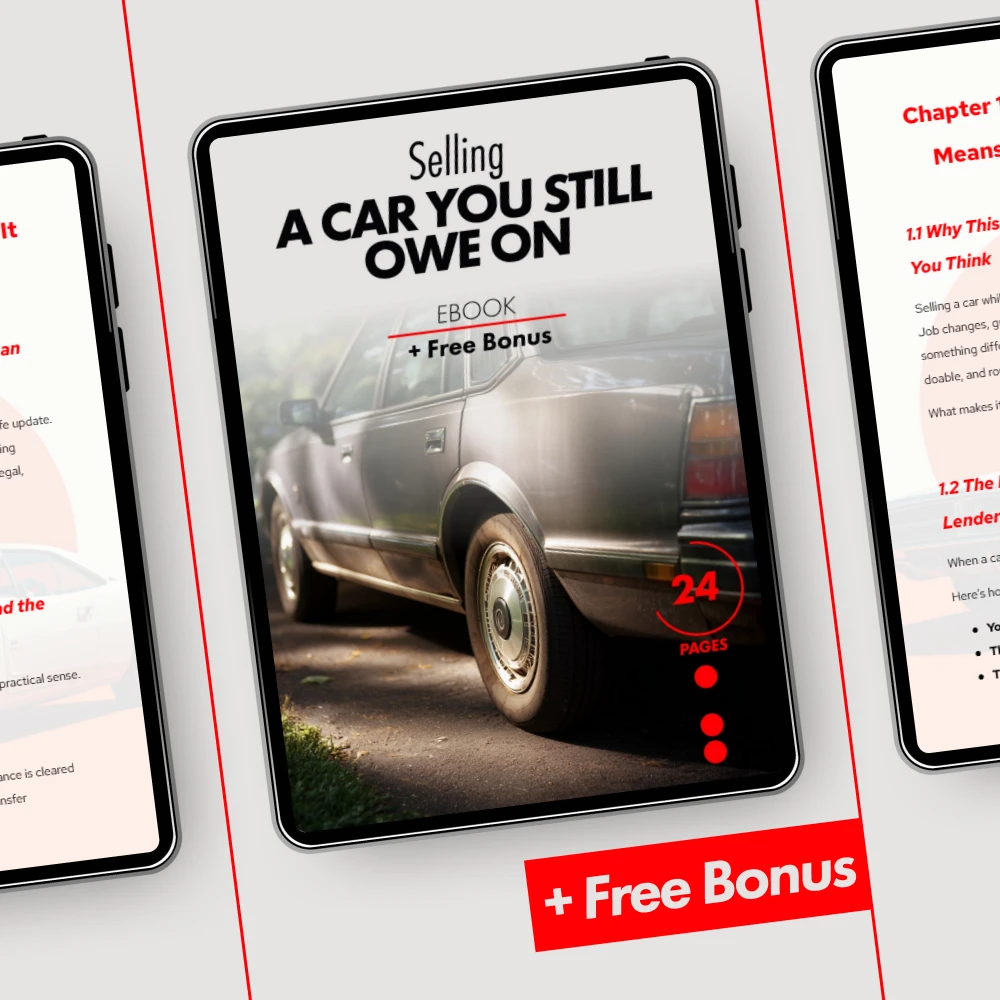
Selling a Car You Still Owe On: A Step-by-Step Guide to Successfully Selling a Financed Car
Handle the Loan and Title Carefully
If you still owe money on the car, contact your lender for the exact payoff amount and instructions for releasing its lien; the sale price may not cover the balance, so you could need to pay the difference. Our guide to selling a car you still owe on walks through the process of selling a financed vehicle.
Discuss the payoff and title-transfer process with the buyer before accepting payment, especially if the lender holds the title and cannot release it immediately. Our team recommends keeping written records of the agreed price, payment, loan payoff, and any remaining steps so both parties understand what happens next.
Document the Sale and Close Out Your Responsibility
Prepare a bill of sale with the vehicle identification number, sale price, date, and both parties’ names, and keep a signed copy along with your payment records. Complete the title and any odometer disclosure required by your state accurately, and submit any required notice of sale promptly.
Remove your personal belongings, delete saved addresses and paired devices from the car’s systems, and handle license plates according to your state’s rules. Once the sale and transfer are complete, contact your insurer to update or cancel coverage rather than assuming the buyer’s policy protects you.
FAQ
Is there a buyer’s remorse law in AZ?
Arizona generally does not give buyers an automatic cooling-off period for a private vehicle sale. You should review the agreement before signing and seek legal advice if you believe the sale involved fraud or another legal problem.
What’s involved in selling a car privately in Arizona?
You generally need to complete the title transfer, including any required notarization and odometer disclosure, and provide the buyer with the necessary documents. Submit a sold notice to the Arizona Motor Vehicle Division, remove your license plate, and address any lien before transferring ownership.
See if Selling a Car You Still Owe On: A Step-by-Step Guide to Successfully Selling a Financed Car fits your setup


Leave a comment